 FactsLook
Obesity’s Hidden Risks: What Your Body Faces Long-Term
What Most People Get Wrong About Obesity
We hear "obesity epidemic" constantly — but most people still think it is simply about willpower. It is not. The science is stranger, and more urgent, than the headlines suggest. From chemicals that rewire your fat cells before birth to gut bacteria that decide how many calories you actually absorb, obesity is a cascade of biological systems gone off-script. Here are 30 facts that will make you see your body — and your health — differently.
Obesity Is Not Just a Modern Problem

While rates have skyrocketed recently, evidence of individuals struggling with excess weight dates back millennia. Archaeological findings show skeletal remains from ancient civilizations — like those found in Roman Britain — exhibiting signs of obesity, suggesting dietary and lifestyle factors have played a role for centuries.
Source: British Medical Journal
Your Gut Microbiome Runs the Numbers
Your gut bacteria profoundly impact your weight — and the science here is genuinely counterintuitive. Studies show obese individuals often have less diverse gut microbiomes compared to lean individuals. Certain bacterial strains can extract more calories from food, leading to increased energy absorption and, potentially, weight gain.
Source: Nature
Sleep Debt Has a Direct Calorie Cost

Sleep is not a luxury — it is a metabolic regulator. Consistently getting fewer than 7 hours increases obesity risk, and not just because tired people snack more. One Stanford study found that people sleeping 5 hours per night showed a 14.9% increase in ghrelin (the hunger hormone) and a 15.5% decrease in leptin (the fullness signal). Your body literally tells you to eat more when you are sleep-deprived.
Source: Stanford Medicine
The Obesity Paradox Surprises Cardiologists
Here is one that confuses even doctors. In individuals with heart failure, a slightly higher BMI (within the obese range) can sometimes correlate with better survival rates — a phenomenon called the 'obesity paradox.' This may be because higher metabolic reserves help the body weather acute illness. Research suggests this applies to roughly 30% of heart failure patients.
This does not mean gaining weight protects your heart. It means the relationship between weight and outcomes is more complicated than simple cause-and-effect.
Cortisol Is Your Body's Belly-Fat Switch
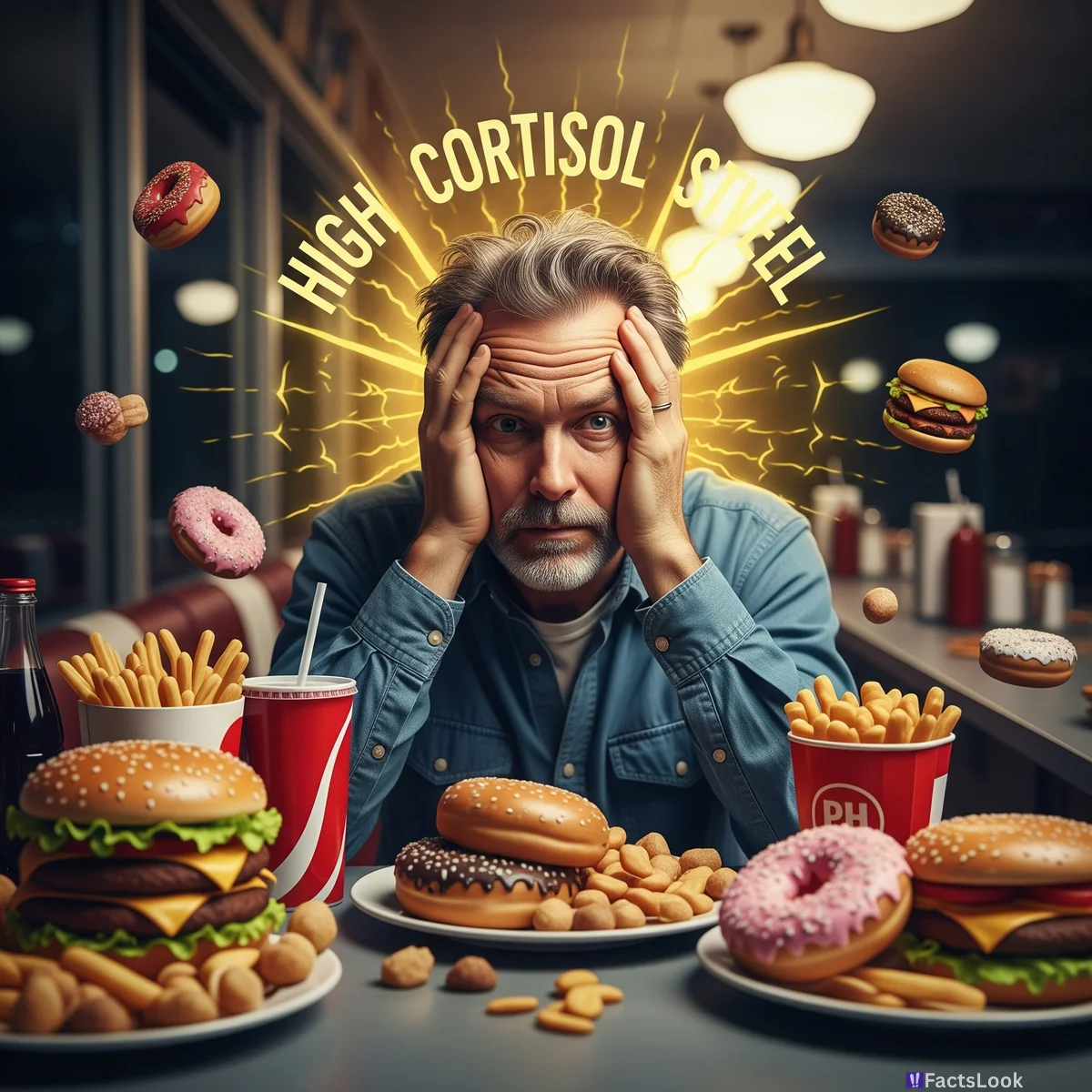
Your body's stress management system has a direct line to your waistline. Chronic stress elevates cortisol, and high cortisol drives two things: visceral fat accumulation (the fat that pools around your organs) and intense cravings for sugar and fat. This is not weakness — it is biology. Your ancient ancestors needed this system to survive famines. In a world of deadlines and doomscrolling, it backfires.
Research from Harvard Medical School links prolonged cortisol exposure to increased appetite and fat storage around the midsection.
Related: Our post on how stress rewires your brain and body covers this cycle in depth.
Your Body Has a Hidden Weight Thermostat
Your body has opinions about weight — and it will fight to enforce them. The set point theory suggests your brain maintains a preferred weight range, adjusting metabolism, hunger, and energy levels to resist changes. When you diet, your body may slow your metabolic rate by up to 15% while ramping up hunger signals, explaining why maintaining weight loss feels harder than losing it.
This does not mean change is impossible. Sustained lifestyle modification over months can gradually reset the body's expectations — but quick fixes rarely stick.
Source: Nature Reviews Endocrinology
Your Daily Calorie Burn Has a Secret Variable

Forget the gym. The calorie burner you are ignoring is everything you do outside of deliberate exercise. NEAT — Non-Exercise Activity Thermogenesis — covers fidgeting, pacing, gardening, typing, and even standing. It can vary by 2,000 calories per day between two people of the same size doing the same structured workout.
Small movements add up. Someone with a high-NEAT occupation might burn 500 extra calories daily without stepping on a treadmill.
Where Your Fat Lives Matters More Than How Much You Have
Not all body fat behaves the same way. Visceral fat — the kind that wraps around organs in your abdomen — is metabolically active and pumps out inflammatory compounds. Subcutaneous fat (under the skin) is more neutral. Men tend to accumulate visceral fat in an 'apple' pattern; women accumulate gluteal-femoral fat in a 'pear' pattern until menopause, when estrogen decline shifts women toward more visceral fat storage.
A waist-to-height ratio above 0.5 indicates dangerous visceral fat accumulation regardless of BMI.
Source: Mayo Clinic Proceedings
Your Environment Is Making You Fat Before You Even Eat
BPA is just the beginning. A class of endocrine-disrupting chemicals called obesogens can alter how your body stores fat, even at low-level exposure. Bisphenol A (BPA), phthalates, PFAS chemicals, and organophosphate pesticides all show links to metabolic disruption in peer-reviewed research. These chemicals can cross the placenta, meaning prenatal exposure may set metabolic patterns before birth.
The mechanism:obesogens activate receptors called PPARs, which directly control fat cell development and lipid storage pathways.
Liquid Sugar Bypasses Your Brain's Fullness System
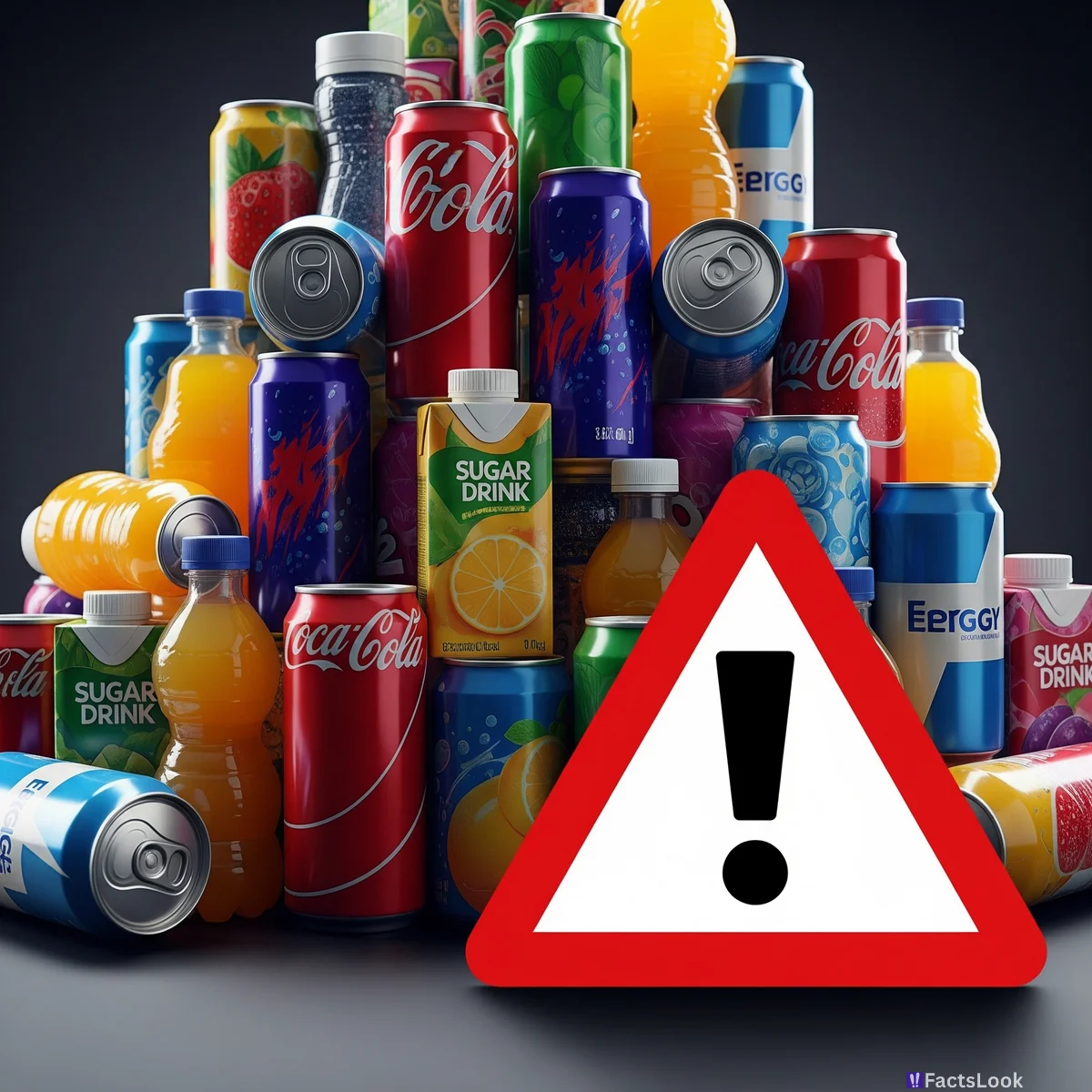
Sugar-sweetened beverages are the low-hanging fruit of obesity science. These drinks (sodas, fruit juices, sweetened teas, energy drinks) provide rapid glucose without triggering fullness signals. The brain does not register 'liquid calories' the same way it registers solid food. One 20-ounce soda delivers 65 grams of sugar — equivalent to 16 teaspoons — without any fiber or protein to slow absorption.
Research links SSB consumption to a 26% increased risk of type 2 diabetes.
Source: Diabetes Care Journal
Genetics Is Not Destiny — But It Sets the Starting Line
Genetics loads the gun, but environment pulls the trigger. Twin studies suggest genetics account for 40-70% of weight variation between individuals. However, genes do not determine outcomes — they set tendencies. A 2019 study in PLOS Genetics identified over 900 genetic variants associated with BMI, yet lifestyle factors can override genetic predisposition in most cases.
If both parents have obesity, a child's risk is three times higher — but the mechanisms include shared home environments and learned behaviors, not just DNA.
Your Friends' Body Size Influences Yours
Obesity spreads through social networks, and the effect is real, not imagined. The landmark Framingham Heart Study tracked 12,067 people over 32 years and found that when a person becomes obese, their friend's risk increases by 57%. Sibling risk increases by 40%, spouse risk by 37%.
This is not just about shared diets. The researchers controlled for mutual diet and exercise habits — the effect persists even when habits differ. Social norms, body image tolerance, and behavioral contagion appear to drive the spread.
Source: New England Journal of Medicine
Ultra-Processed Foods Bypass Natural Fullness Controls
Ultra-processed foods are not just unhealthy — they are engineered to override your satiety signals. UPFs (which include most packaged snacks, frozen meals, and fast food) are formulated for hyperpalatability: precise combinations of salt, sugar, and fat that stimulate reward circuits without triggering natural fullness.
A 2024 BMJ study found that a 10% increase in ultra-processed food contribution to energy intake was linked to a 12% greater risk of developing overweight. Recent studies link higher UPF consumption to more than double the odds of obesity.
Where You Live Determines What You Eat

Food deserts affect an estimated 39 million Americans in areas without access to affordable fresh food. These areas (which disproportionately overlap with low-income and minority communities) are associated with higher obesity rates.
The mechanism is not simply 'no produce.' Food deserts often have abundant processed food options, advertising saturation, and fewer safe spaces for physical activity — a cluster of environmental stressors that compounds the issue.
Source: USDA Economic Research Service
Your 'Normal' Portion Is Actually 3x Historical Sizes

Portion sizes have ballooned since the 1970s — and the numbers are startling. A standard bagel has grown from 3 inches to 6 inches in diameter. A typical fast-food soda went from 8 ounces to 32+ ounces. Research from the National Heart, Lung, and Blood Institute shows that people eat more when served larger portions, regardless of hunger cues. 'Portion distortion' has reprogrammed expectations, making normal servings feel inadequate.
Yo-Yo Dieting May Damage Your Metabolism Permanently
The yo-yo cycle may damage more than your self-esteem. Repeated weight cycling — losing and regaining — may slow metabolic rate more than staying at a stable (if elevated) weight. Research in Obesity Reviews suggests that each weight loss attempt may progressively lower the body's resting metabolic rate.
This does not mean never trying to lose weight. It means rapid, extreme restriction is counterproductive. Gradual, sustainable changes outperform crash diets in both short-term results and long-term maintenance.
Your Body Has a Hidden Calorie-Burning Furnace
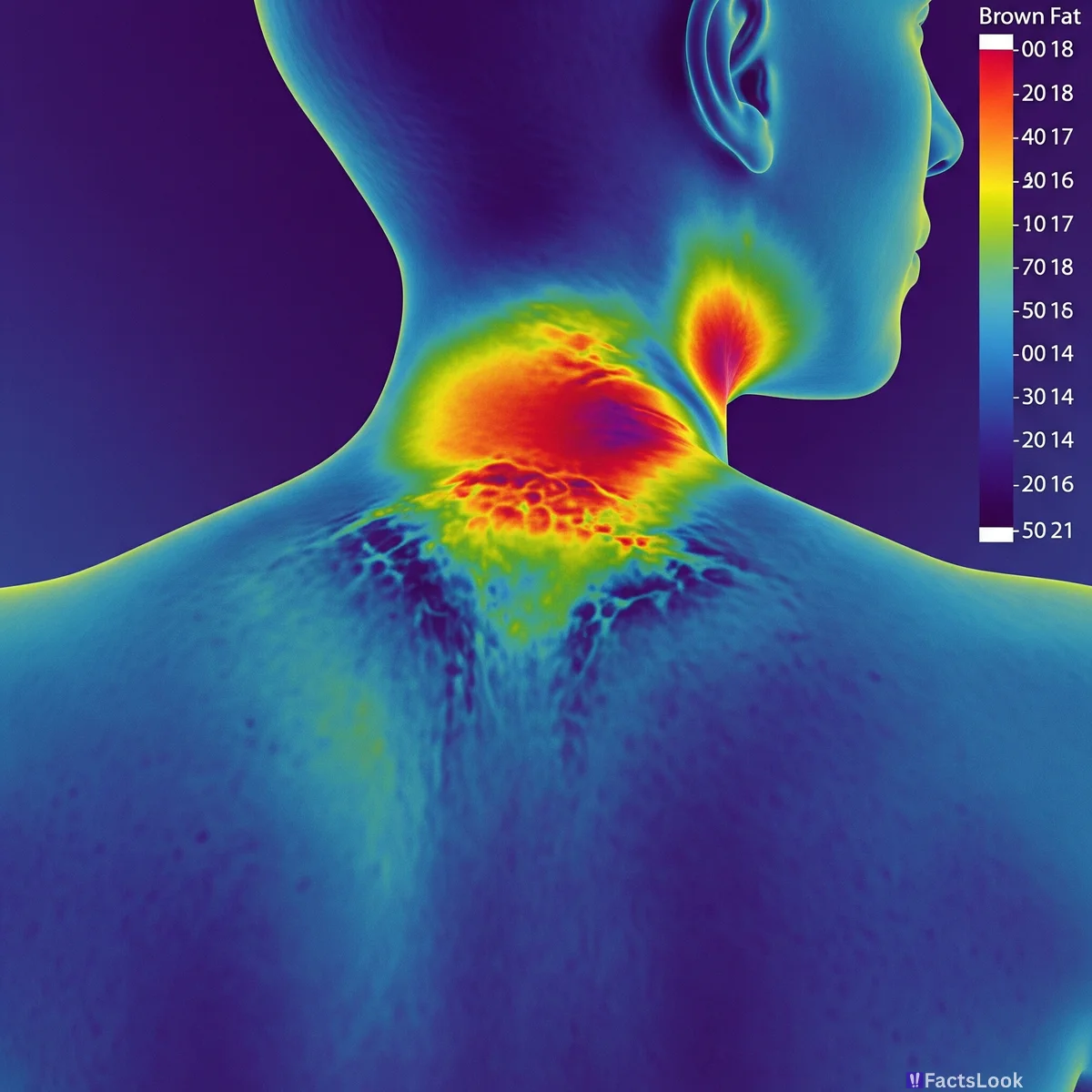
Brown fat is the metabolic miracle hiding inside adult bodies. Unlike white fat (which stores energy), brown fat burns calories to generate heat. Adults have small quantities in neck and chest areas, but cold exposure or certain foods can activate it. A single ounce of activated brown fat can burn 300-500 calories per day — equivalent to a moderate workout.
Cold showers, cryotherapy, and capsaicin (from chili peppers) all show mild brown fat activation effects in human studies.
Source: Nature Medicine
Menopause Resets Your Metabolic Baseline
Menopause is a metabolic inflection point most people underestimate. Estrogen helps regulate fat distribution, appetite, and metabolic rate. When estrogen drops during menopause, many women experience: redistribution of fat from hips to abdomen, reduced satiety signaling, lower resting metabolic rate, and increased insulin resistance.
Research shows the average woman gains 10-15 pounds during menopause — but it does not have to be inevitable. Strength training and protein intake become especially critical during this phase.
Source: North American Menopause Society
Food Ads Hijack Your Brain's Reward System
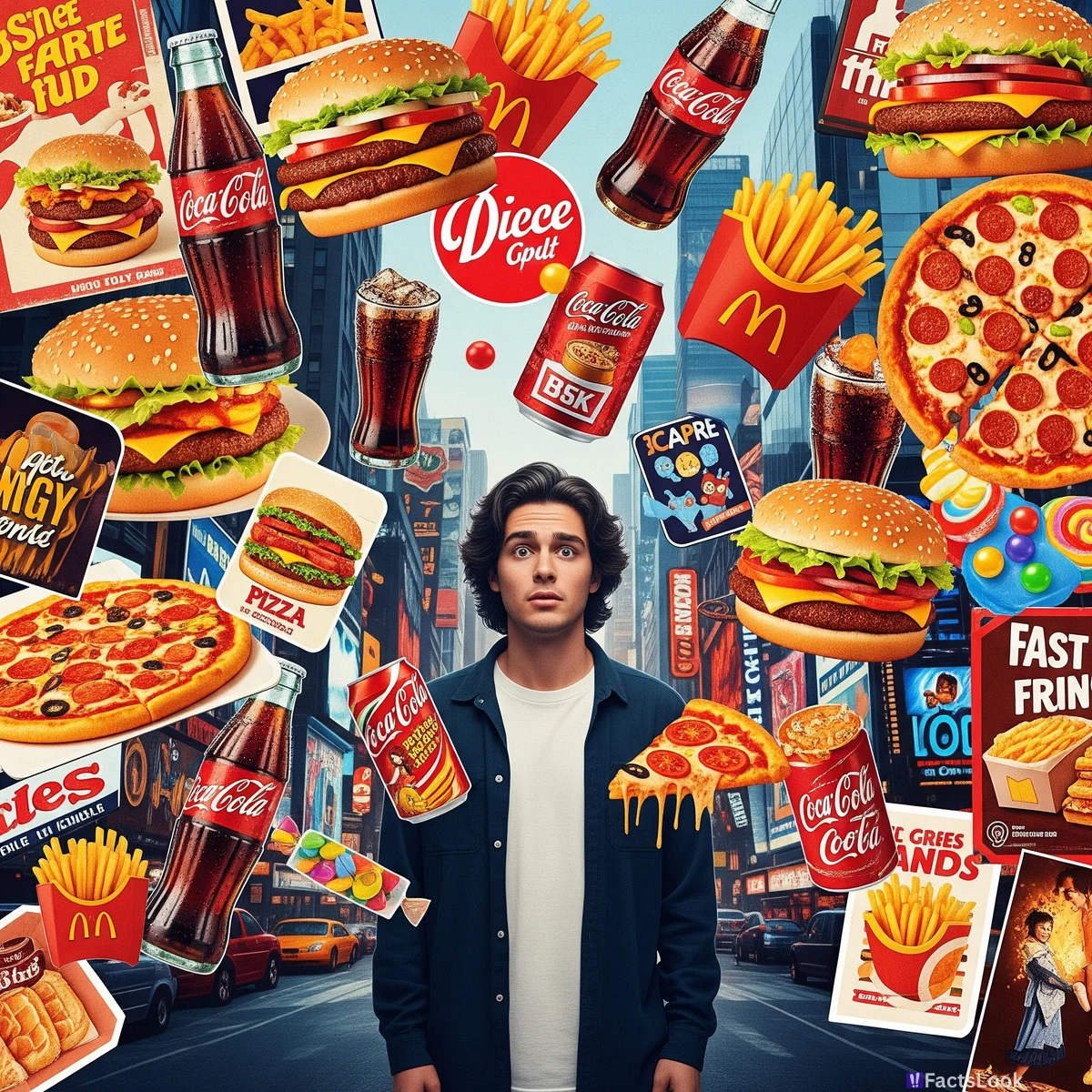
Food advertising works on deep neurological pathways. Studies show food commercials activate the nucleus accumbens — the brain's reward center — in ways that trigger cravings independent of actual hunger. Children who watched food ads consumed 45% more snacks than those shown non-food advertising, even when the food was the same.
The American Psychological Association links increases in advertising for non-nutritious foods directly to childhood obesity rates. Ultra-processed food ads generate more positive emotional responses than health food ads, and this asymmetry shapes consumer preferences.
Source: APA - Impact of Food Advertising
Binge Eating Disorder Is the Most Common Eating Disorder
Binge Eating Disorder affects 2.8% of US adults — more than anorexia and bulimia combined — and is strongly linked to obesity. BED involves consuming large amounts of food in short periods while feeling a loss of control, followed by shame and guilt. Unlike bulimia, there is no compensatory purging.
BED responds well to cognitive behavioral therapy (CBT) and dialectical behavior therapy (DBT). Research suggests neurobiological overlaps with addiction and impulse control disorders.
Your Gut Sends More Messages to Your Brain Than Your Brain Sends to Your Gut
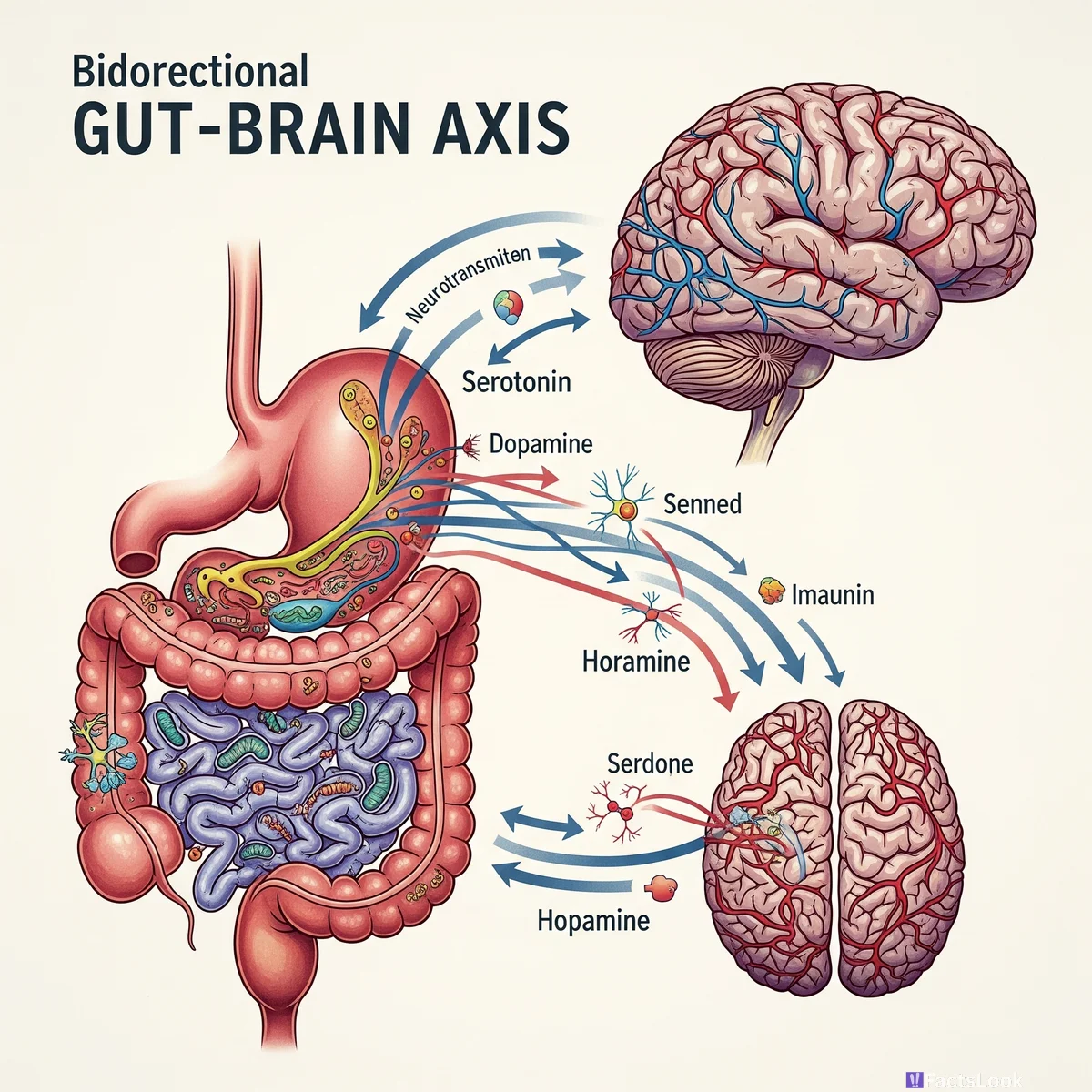
Your gut and brain are in constant conversation, and the messages go both ways. The gut microbiome produces 90% of the body's serotonin and 50% of its dopamine — both critical for mood regulation and appetite control.
A disrupted gut microbiome (dysbiosis) is associated with increased anxiety, depression, and impaired hunger/fullness signaling. This creates a loop: stress and poor diet disrupt the gut, which disrupts mood and hunger signals, which drives more stress and poor dietary choices.
Related: Our post on vegan diets and nutrition covers gut health from the microbiome angle.
Obesity Raises Risk for 13 Cancers
Being overweight or having obesity is associated with a higher risk of 13 types of cancer: breast, colon, rectum, endometrium, esophagus, gallbladder, kidney, liver, ovarian, pancreatic, stomach, thyroid, and meningioma. Together, these cancers make up 40% of all cancers diagnosed in the US annually.
A 2024 Lancet study found that for established obesity-related cancers, risk increased 12-16% in populations with higher BMI. The mechanisms include chronic inflammation, insulin resistance, and hormonal disruption.
Source: CDC - Obesity and Cancer
Obesity Has Your Heart Under Siege
Obesity-related heart disease death rates increased by approximately 180% from 1999 to 2024, according to American Heart Association data. The mechanism: obesity causes chronic low-grade inflammation, which damages blood vessel linings, accelerates atherosclerosis, and raises blood pressure.
About 67.5% of obesity-related excess mortality is attributable to cardiovascular disease. Women with obesity face a 64% higher risk of coronary artery disease compared to 46% for men — a striking gender difference researchers are still investigating.
Obesity and Type 2 Diabetes Are Locked in a Vicious Cycle
Approximately 80-85% of people with type 2 diabetes have overweight or obesity, and the relationship is bidirectional — diabetes makes losing weight harder, and obesity makes diabetes harder to control.
The mechanism: insulin resistance creates a cycle where fat cells become resistant to insulin's signal to store glucose, but the pancreas keeps producing more insulin to compensate, which promotes more fat storage. Hyperinsulinemia (high insulin) is both a consequence and a driver of the cycle.
Source: American Diabetes Association
Sleep Apnea Creates a Weight Gain Loop

Sleep apnea affects an estimated 15-32% of American men, and obesity is the single strongest risk factor. The mechanism: excess fatty tissue around the upper airway causes collapse during sleep, stopping breathing repeatedly (sometimes hundreds of times per night).
The consequences cascade: fragmented sleep raises daytime cortisol, which promotes abdominal fat, which worsens sleep apnea. Coexisting obesity and sleep apnea accounted for 60,898 deaths from 1999-2019 in CDC data.
Source: CDC - Sleep and Health
Childhood Obesity Tracks Into Adulthood
Overweight and obese children are likely to carry obesity into adulthood, according to WHO data. More alarming: a 2023 study found that children with higher BMI are 40% more likely to experience cardiovascular issues later in life.
Early intervention matters because childhood obesity affects bone development, respiratory health, and psychological wellbeing in addition to setting metabolic patterns for decades.
Source: CDC - Childhood Obesity Facts
Obesity Puts 5x Normal Stress on Your Knees
Each pound of body weight translates to roughly 5 pounds of force on knees during walking and 3 pounds on hips. For someone carrying 50 extra pounds, that is 250 pounds per step on knees — the equivalent of carrying a medium-sized dog on each knee.
Osteoarthritis risk increases 4-fold with obesity. Severe obesity (BMI over 35) carries 10 times the normal osteoarthritis risk. Knee and hip replacements in obese patients also show higher complication rates and longer recovery times.
Source: Arthritis Foundation
Obesity Raises Depression Risk by 25%
Adults with obesity are 25% more likely to experience depression and 30% more likely to experience anxiety disorders than normal-weight adults. The link is not just social stigma — inflammatory compounds released by visceral fat cross the blood-brain barrier, and hormonal disruptions affect mood regulation.
Research in JAMA Psychiatry found that addressing obesity can reduce depression symptoms by 40-50% in some patients, suggesting the relationship is partly biological, not purely psychological.
Related: Our post on how cannabis affects the brain and body covers how substances interact with similar reward pathways.
Obesity Costs $173 Billion Per Year in the US Alone
The economic burden is staggering and often invisible in personal health conversations. US obesity-related healthcare costs exceed $173 billion annually. Obese individuals spend approximately 42% more on medical care than normal-weight individuals.
Beyond direct healthcare: obesity reduces productivity, increases absenteeism, and contributes to disability claims. The cascade of workplace effects includes lower wages, reduced promotion rates, and higher rates of unemployment — creating a feedback loop where economic consequences worsen health access.
Source: Milken Institute
Common Questions About Obesity — Answered
Is obesity purely genetic, or can it be overcome?
Genetics loads the gun, but environment pulls the trigger. While twin studies suggest 40-70% of weight variation is heritable, lifestyle factors (diet quality, physical activity, sleep, stress management) account for the other 30-60%. Most people with genetic predisposition to obesity can still lose weight — the challenge is that their bodies resist more aggressively.
What is the single biggest modifiable risk factor?
Diet quality is the most impactful modifiable factor. Specifically, reducing ultra-processed food intake and sugar-sweetened beverages often produces better results than any single exercise program.
Can obesity be reversed?
Yes, for most people. Research shows that losing 5-10% of body weight significantly improves metabolic markers and reduces disease risk, even if full 'ideal weight' is not achieved.
What is the obesity paradox?
In some chronic illness populations (particularly heart failure patients), slightly higher BMI correlates with better survival. This may reflect metabolic reserves helping patients weather acute illness, but it does not mean obesity is protective for healthy individuals.
Does yo-yo dieting cause permanent metabolic damage?
Evidence suggests repeated extreme dieting cycles may lower resting metabolic rate more than staying at a stable (elevated) weight. Sustainable, gradual changes outperform rapid weight loss for long-term maintenance.
What is the connection between obesity and dementia?
Midlife obesity increases dementia risk by 30-40% through mechanisms including insulin resistance, chronic inflammation, and vascular damage in the brain. Maintaining healthy weight in your 40s and 50s appears to protect cognitive function decades later.